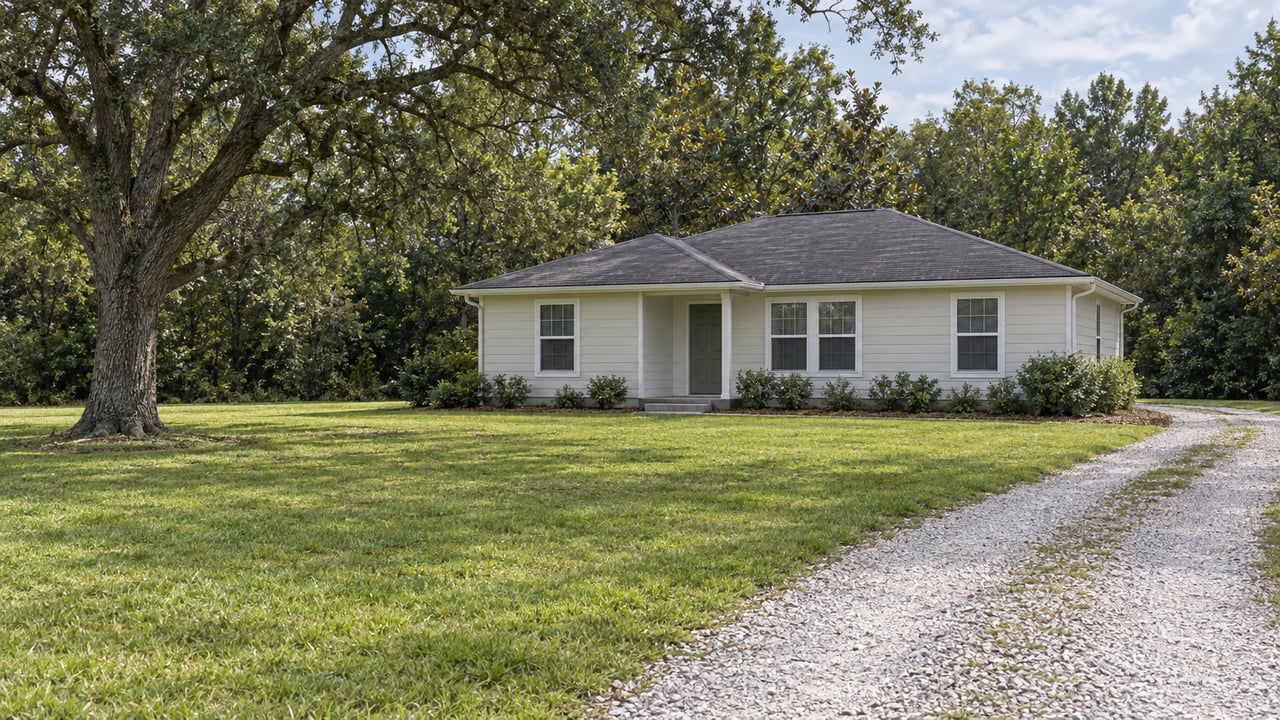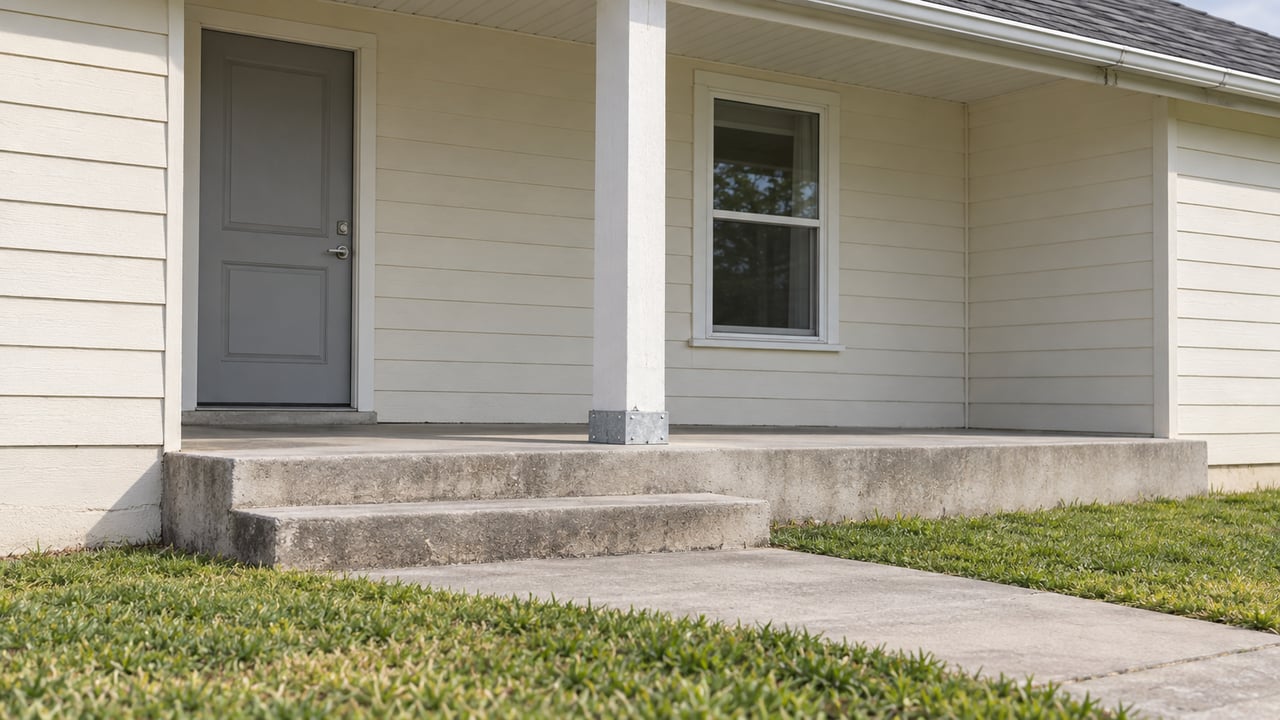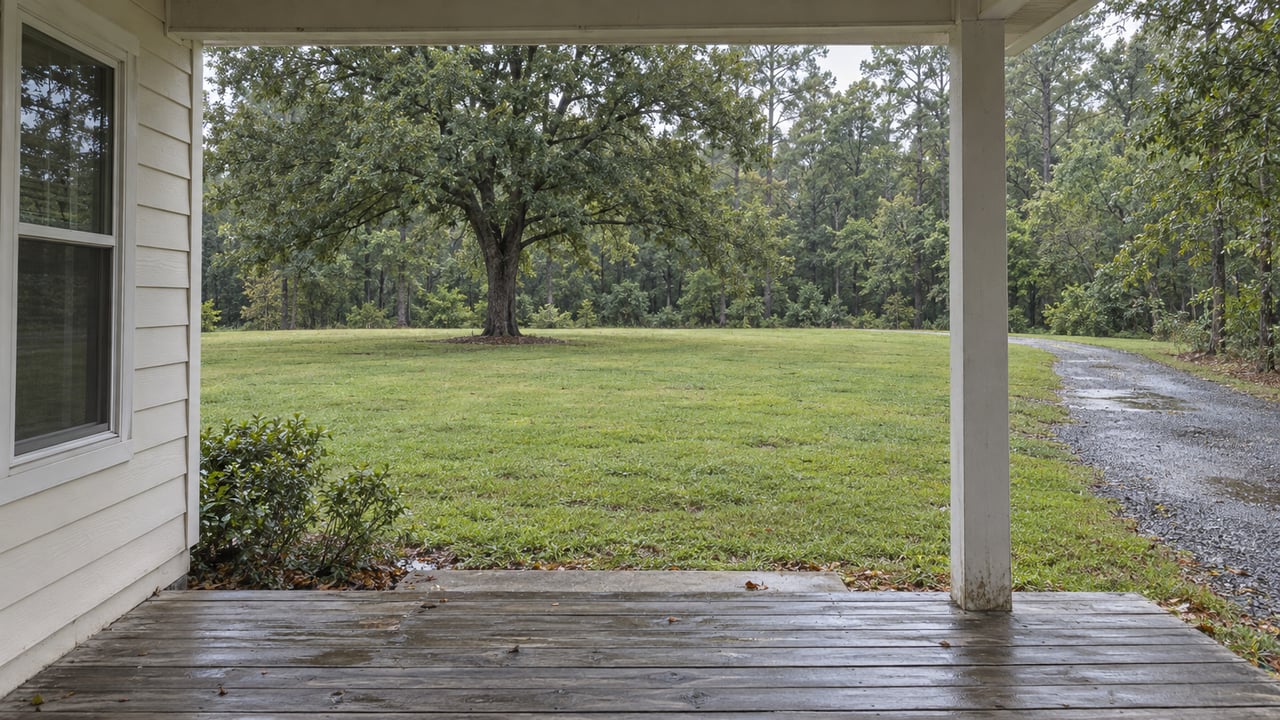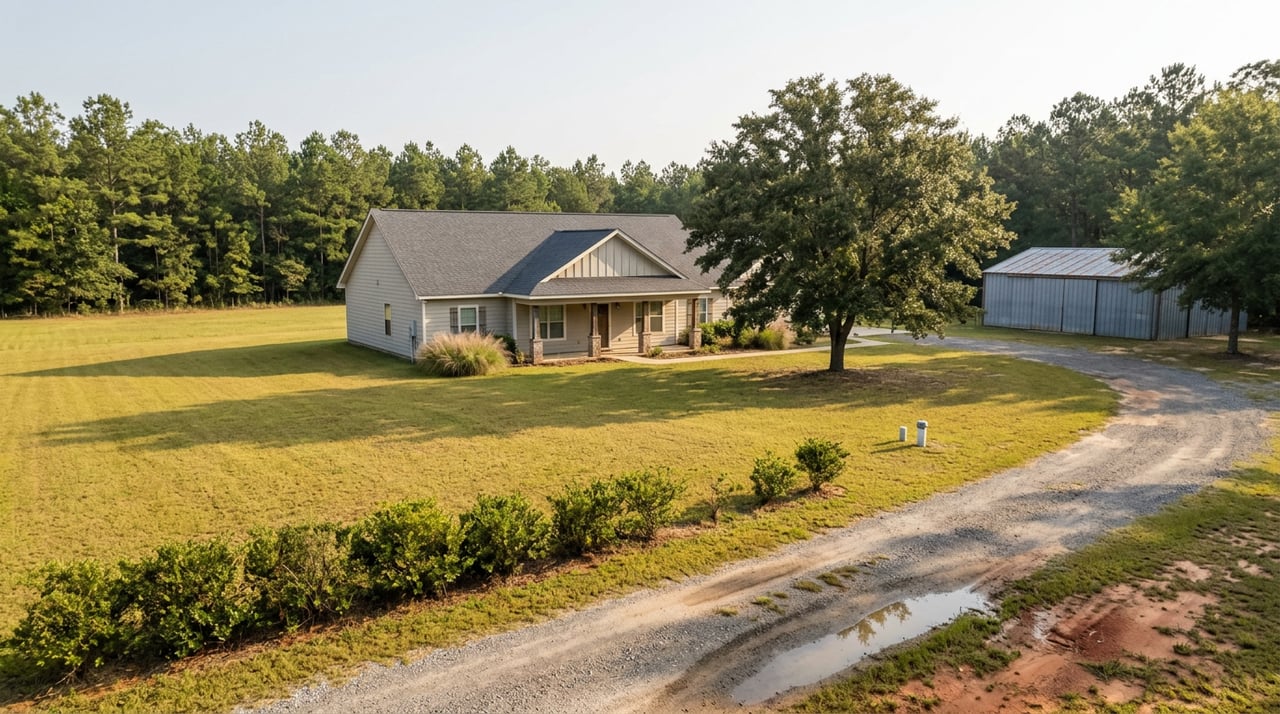
Line up two Folsom listings side by side and the math stops making sense. Ten wooded acres with no structure on them lists for something close to town average. Ten acres with a modest house already sitting on the lot can run two and a half times as much per acre, on dirt that isn't worth any more than the empty parcel next to it. The gap isn't decoration. It's a receipt for work that already happened, and whether you pay it now or later depends entirely on which of the two parcels you buy.
Right now, the pool of raw land listed for sale in Folsom runs about 55 properties, averaging roughly $556,000 per listing and about $25,810 per acre. Parcels that already have a house attached average around $741,000, but the per-acre math jumps to roughly $61,170. That's not a modest premium for a finished kitchen. It's the land itself being priced as if it were a different product, because for lending and building purposes, it is.
What the Extra $35,000 an Acre Is Actually Buying
The premium on improved acreage isn't paying for granite or a nicer roofline. It's paying for the parts of land development that don't photograph well: a well that's already producing, a septic system that's already permitted and inspected, a cleared building pad, a driveway with a culvert that meets parish drainage standards, and a confirmed flood zone that a lender has already accepted.
One listing on the market illustrates this cleanly. A 4.17-acre parcel off Highway 1077 advertises a water well and septic system installed in 2018, with the previous house removed. No structure, but all the underlying site work is done and documented. That parcel isn't priced like raw land, because it isn't raw land in any way that matters to a construction loan. It's a shortcut past the part of the process that costs money and time before anyone pours a slab.
Buyers comparing an empty 10-acre tract to a 10-acre tract with a 1,990-square-foot house often assume they're weighing house value against land value. What they're actually weighing is finished infrastructure against a to-do list. The to-do list is usually cheaper up front. It is rarely cheaper once you count the months it takes to permit and install everything the improved parcel already has.
The Flood Zone Question Doesn't Have a Town-Wide Answer
Folsom has a reputation as dry, rolling country, and at the town level that reputation holds up. Climate risk research from First Street puts only about 6.1 percent of Folsom properties at risk of flooding over a 30-year window, which qualifies as minor risk by their scale.
But that town-wide number describes an average, not any specific parcel, and land listings in Folsom right now make that obvious. A 30-acre tract in the heart of Folsom is marketed as sitting in flood zone A and flood zone C simultaneously, split across the same property. A 10-acre tract off Highway 40 is described the same way, partially zone C and partially zone A. Meanwhile another listing a few miles away is flagged plainly as flood zone X, the designation lenders and insurers treat as lowest risk.
The zone follows the parcel, not the town.
That distinction has teeth. Under St. Tammany's Unified Development Code, construction inside the 100-year flood zone in an R-1 Rural Residential district requires approval from the Parish Engineer before a building permit is issued. If you're comparing two acreage listings on price alone, and one of them needs an engineer's sign-off before you can break ground and the other doesn't, you're not comparing two versions of the same purchase. You're comparing a project with an extra approval step against one without it, and that step takes time the listing price never mentions.
The parish's own guidance points buyers toward determining their flood zone before making assumptions based on the town's general reputation, and that guidance is worth following literally, parcel by parcel, before you write an offer.
The Septic System Question Just Got a Timer Attached to It
Most of Folsom sits outside central sewer service, which means individual septic systems aren't a footnote here, they're the default. Under the parish code, any lot without central sewerage must have an individual system approved by the Parish Health Department to Department of Health and Human Resources standards before it can be used.
What's changed recently is what happens after that system is installed. St. Tammany Parish has adopted an ordinance establishing triennial inspections of individual on-site sewage disposal systems, with certificates of compliance issued by the Department of Environmental Services when a system passes. That means a septic system isn't a one-time approval anymore. It's a recurring compliance item with its own inspection schedule
For land with an existing house, this is a document to ask for before closing, not after. It's one more piece of the per-acre premium gap between improved and unimproved parcels: certified, current septic compliance is worth something specific, and land without it is worth correspondingly less, no matter how good the soil looks.
Why Folsom Homes Sit Longer Than the Number Suggests
As of July 2026, homes listed for sale in Folsom carried a median list price of $442,000, working out to about $188 per square foot, essentially flat compared to the year before. The number that says more about how this market actually behaves is time on market: a median of 98 days, unchanged from July 2025.
That's a long runway compared to the pace buyers expect in denser, subdivision-driven Northshore markets. It isn't a sign of weak demand. It's a sign that acreage and equestrian-adjacent property, the kind clustered near Folsom Polo Farms and the LA Polo Farms subdivision, draws from a smaller, more specific buyer pool than a standard three-bedroom subdivision listing does. Fewer buyers are shopping for 5, 10, or 20 acres at a time, and the ones who are tend to take longer to decide, because they're the ones who actually need to verify the well, the septic certificate, and the flood zone before they can commit.
That longer timeline cuts in favor of a prepared buyer. A seller whose septic certificate is current, whose flood zone documentation is in hand, and whose parcel doesn't require a Parish Engineer sign-off is offering something genuinely scarcer in this market than the price alone suggests. A buyer who shows up with financing lined up and the right questions already answered is negotiating from a stronger position than the 98-day average implies.
What to Confirm Before You Compare Two Parcels by Price Alone
- Ask for the specific FEMA flood zone designation for the parcel, not a general sense of the area, since zones can split within a single tract.
- Ask whether an existing septic system has a current certificate of compliance under the parish's triennial inspection program.
- Get a real estimate for well, septic, cleared pad, and driveway or culvert work before comparing raw land to improved land on a per-acre basis.
- Confirm whether construction on the parcel would require Parish Engineer approval before a building permit can be issued.
- Treat 98 days on market as normal here, not a signal that something is wrong with a listing.
A Few Common Questions
Does a house on the land always mean a higher total price in Folsom? Usually, but the more useful comparison is per acre, not total price. The data shows improved parcels commanding roughly $61,000 an acre against roughly $25,800 for raw land, a gap that reflects site work already completed rather than square footage alone.
Is Folsom in a flood zone? Folsom as a whole carries minor flood risk according to climate risk modeling, but individual parcels can and do sit in FEMA zones A, C, or X, sometimes on the same tract. The only reliable answer is the one specific to the parcel you're considering.
How often are septic systems inspected in St. Tammany Parish now? Under the parish's current ordinance, individual on-site sewage systems are subject to triennial inspection, with a certificate of compliance issued when a system passes.
Folsom's land and home markets don't run on the same math, and the listing price alone won't tell you which one you're actually buying into. If you're weighing acreage against a built home here, or trying to figure out what a specific parcel's flood zone and septic history mean for your timeline, Amanda Stevens can walk through the parcel-level details before you write an offer. Request a free market consultation and get the answers the listing sheet leaves out.
This article is general information, not legal, tax or financial advice. Consult a qualified professional about your situation.