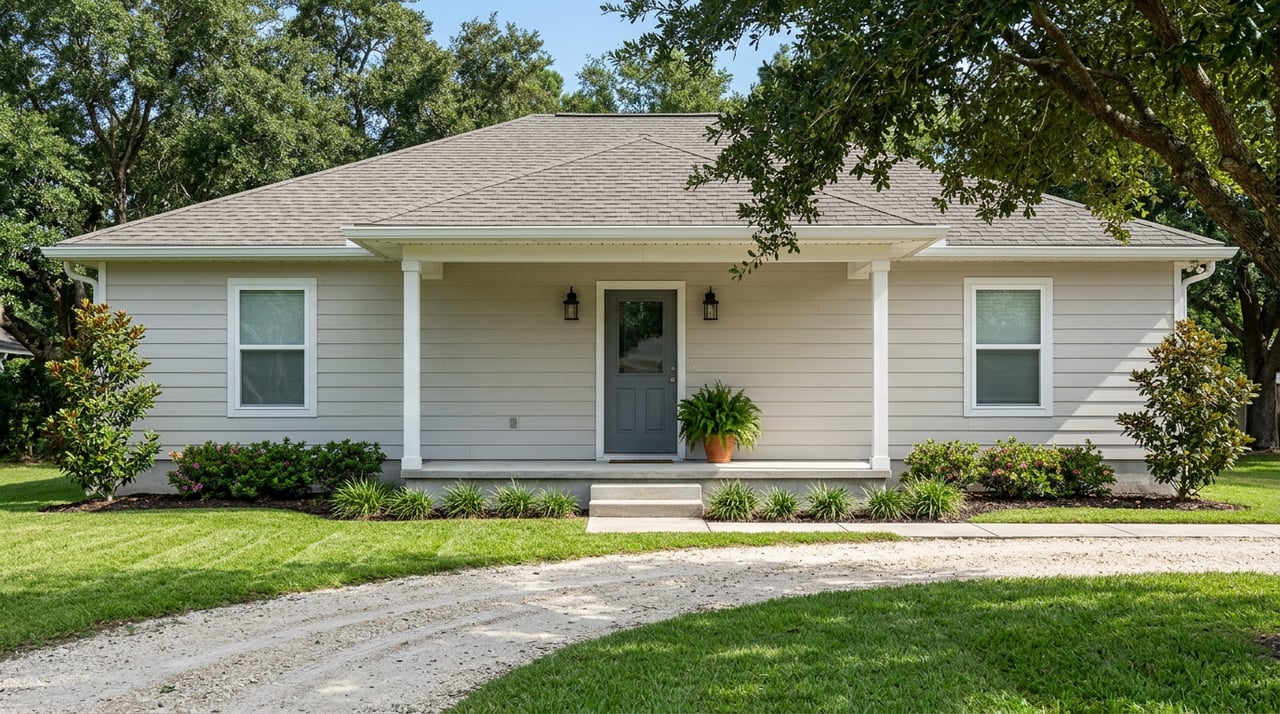
Scrolling buyers decide in seconds. In Hammond, where listings span everything from in‑town cottages to homes on larger lots, your first photo can make or break a showing request. Many buyers start their search online, and strong visuals help your home stand out even if median prices and days on market are shifting. In this guide, you’ll learn how to stage strategically, plan an efficient photo day, and choose the right media so your listing stops the scroll and converts views into showings. Let’s dive in.
Why screen appeal matters
Online reach drives buyer interest. In national surveys, nearly all buyers use the internet to search for homes, and listing photos rank among the most useful features. You want your images to answer a buyer’s first question fast: does this home fit my life and budget? The more clearly your photos communicate space, light, and flow, the more clicks and showing requests you earn. You can see this emphasis in the National Association of REALTORS buyer research that highlights photo importance for shoppers browsing online (2023 NAR Generational Trends).
Staging and pro media also move the needle. The NAR Profile of Home Staging reports many agents see offer increases in the 1% to 10% range on staged homes, and a notable share report shorter time on market (NAR on staging impact). Professionally photographed listings commonly get more views and can sell faster, with industry analyses showing sizable reductions in days on market, though exact results vary by price point and location (Pro photography impact). If you expect out‑of‑area or commuter interest, adding a 3D tour can further lift engagement and improve lead quality (Virtual tour stats).
Know your Hammond audience
Hammond’s buyer pool is broad. You see interest from families and professionals commuting along the I‑12 corridor, people connected with Southeastern Louisiana University, and investors who value practical layouts and low‑maintenance finishes. To appeal across audiences, keep your staging neutral, bright, and flexible. Highlight spaces that work for online classes, hybrid work, or hobbies, and keep decor understated so buyers can picture their own routines.
Prioritize high‑impact rooms
Focus your time and budget where buyers care most. NAR and staging surveys consistently rank these rooms as top priorities.
Living room
- Show clear conversation zones and traffic flow. Angle the sofa and chairs to anchor a central rug and create a welcoming layout.
- Remove extra furniture so the room reads larger. Keep only scale‑appropriate pieces.
- Add a soft throw, two matching pillows, and a simple coffee‑table vignette for warmth.
Kitchen
- Clear counters, stash drying racks and small appliances, and remove magnets from the fridge.
- Replace burnt bulbs, wipe stainless, and add a fresh bowl of fruit for color.
- If hardware looks tired, swap pulls and knobs for a quick, modern update. Small changes photograph well and feel current (Staging checklist ideas).
Primary bedroom
- Aim for a hotel‑calm retreat. Neutral bedding, two to three layered pillows, and simple lamps work well.
- Remove personal photos and highly specific art so buyers can imagine the space.
- If the room is small, keep only the bed, two nightstands, and one dresser.
Bathrooms
- Deep clean until surfaces shine. Re‑grout or scrub away any visible mildew.
- Add fresh white towels, a clean shower curtain, and minimal countertop items.
- Hammond’s humid climate makes spotless baths essential for photos and showings. Plan ahead to manage humidity and odors (Hammond climate context).
Entry and curb appeal
- Mow and edge, trim shrubs, and refresh mulch if needed.
- Pressure wash siding, porches, and the driveway. Humidity can leave discoloration, and clean surfaces pop in photos.
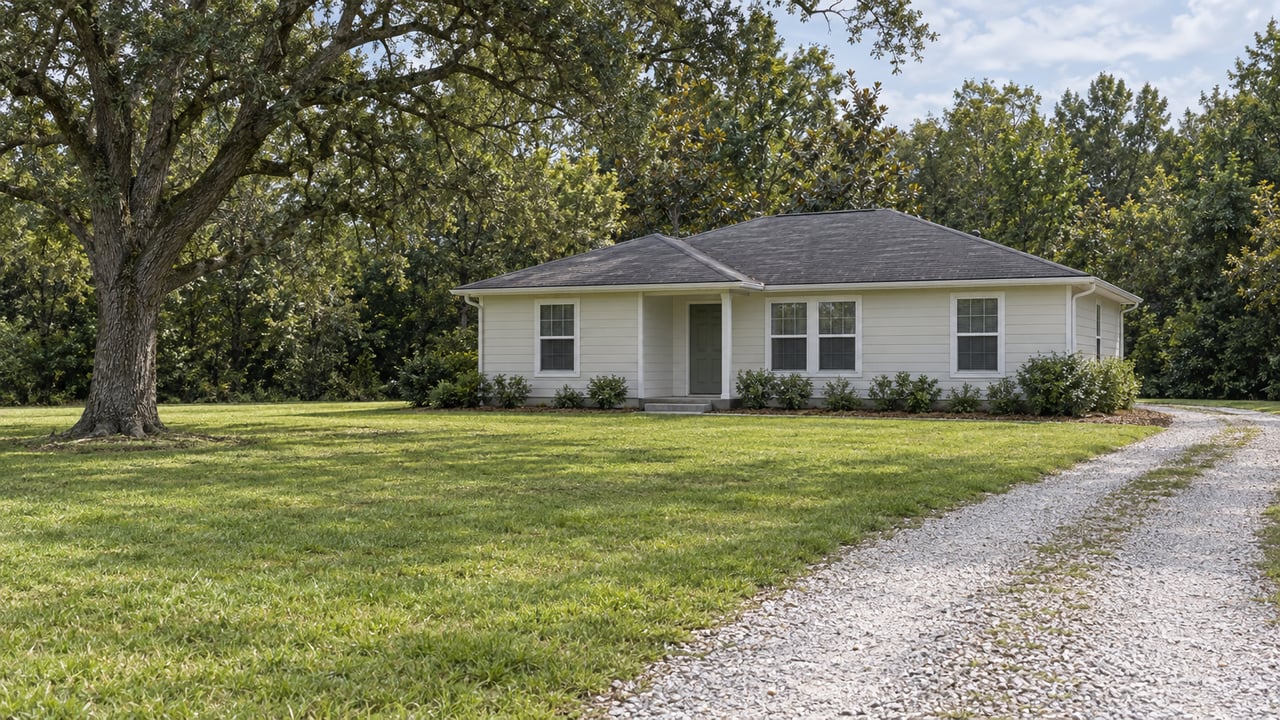
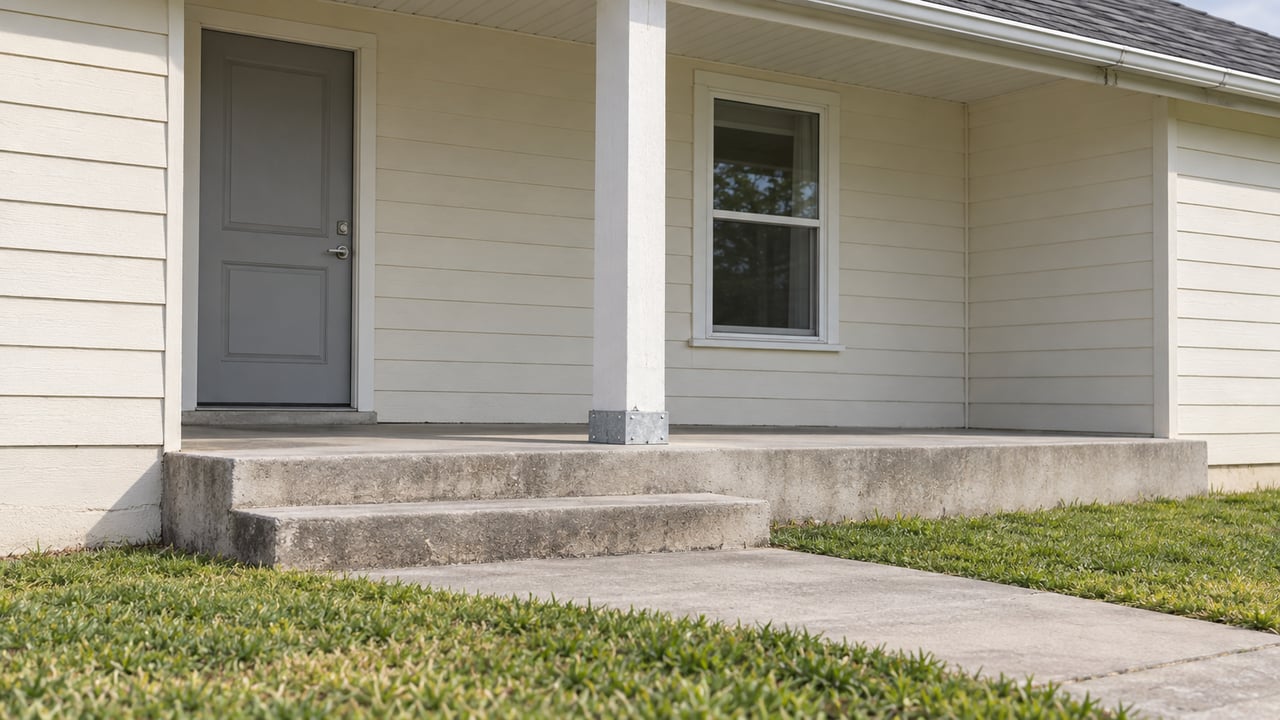
- Clean the front door, update house numbers if they are dated, and add a neutral doormat. Photographers often lead with an exterior hero shot, so this work pays off (Curb appeal checklist).
Declutter for photo day
Before your shoot, remove anything that distracts from space, light, or function.
- Pack small knickknacks, personal collections, and family or religious items.
- Clear kitchen counters and hide trash and recycling bins.
- Tidy closets so at least half the shelving is visible. Buyers equate visible space with storage capacity.
- Remove pet bowls and toys, and plan to keep pets out of photos and showings.
Low‑cost updates that pop
- Paint key areas in a fresh, neutral tone. Entry, living, and kitchen walls do the most work on camera.
- Swap dated lighting and cabinet hardware for simple, modern finishes.
- Steam clean carpets or replace stained sections that read poorly in photos.
These small updates are budget friendly and make your listing look crisp and move‑in ready.
Photo and tour game plan
Best time to shoot
- Interiors: Late morning to early afternoon often gives you the most even natural light. Open blinds and curtains, turn on key lights, and aim for balanced brightness.
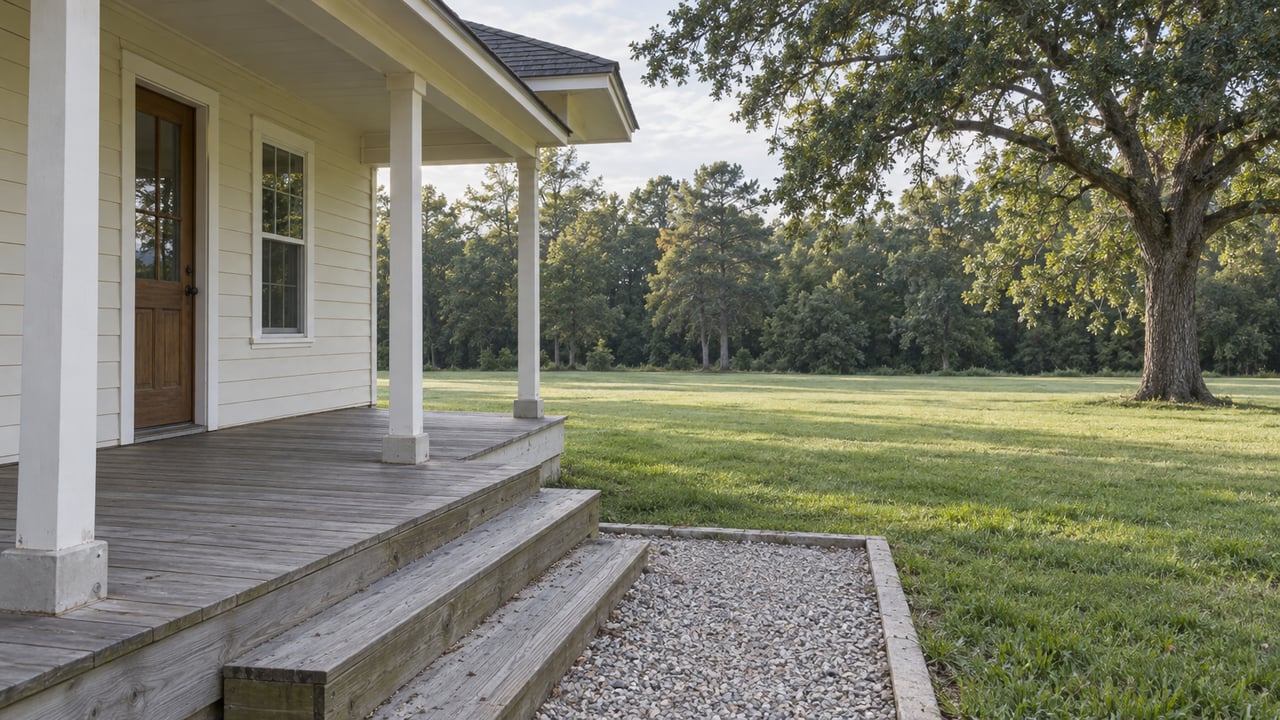
- Exteriors: Plan your front‑elevation hero shot for golden hour, shortly after sunrise or before sunset. Softer light flatters landscaping and paint colors (Golden hour guidance).
Essential shot list
Ask your photographer to capture 20 to 30 strong images that tell a clear story of the home’s flow:
- Front exterior hero and a wide backyard shot
- Kitchen from multiple angles, plus detail of standout finishes
- Living and dining spaces that show seating and circulation
- Primary bedroom and bath, plus secondary beds and baths
- Notable features such as a fireplace, built‑ins, or a workshop
- Garage, laundry, and storage
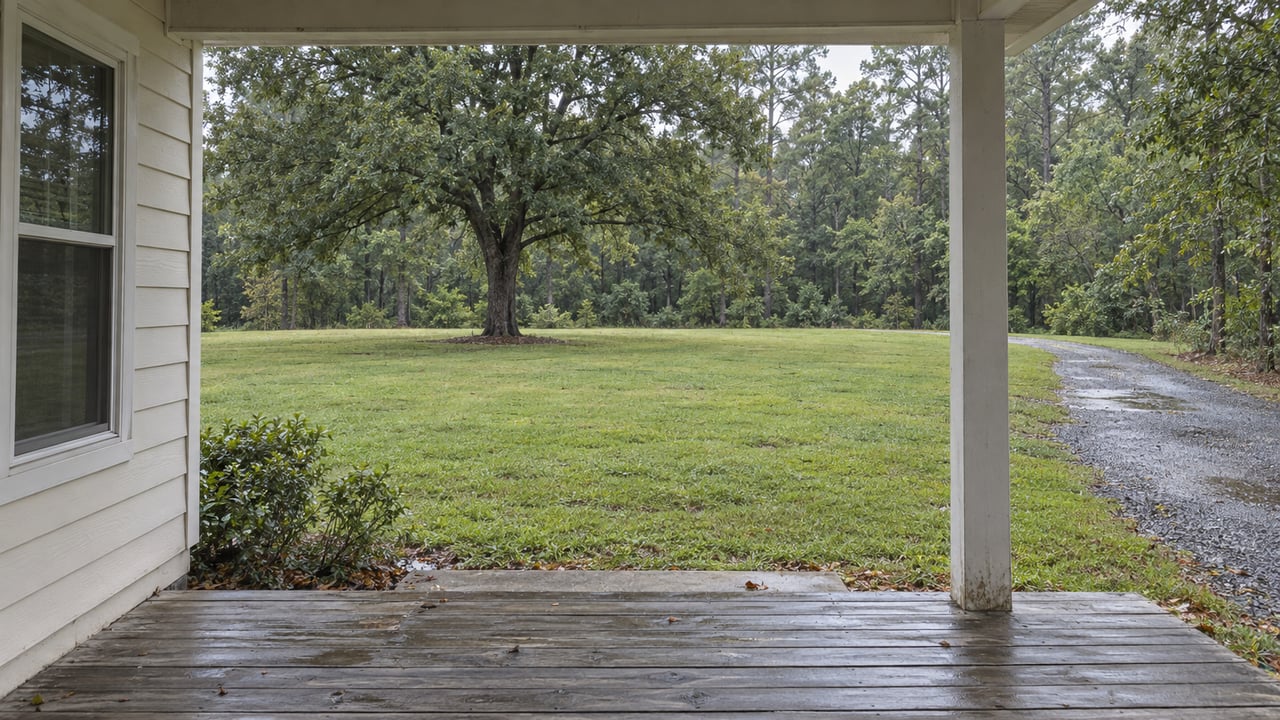
- Context shots, like nearby green space or easy commute access
Virtual tours for reach
If you expect interest from commuters or out‑of‑area buyers, a 3D tour or 360 walkthrough can increase page views and filter in more serious inquiries. Listings with immersive media often see stronger online engagement and can move faster, especially for higher‑price or vacant homes (3D tour value).
Technical musts
Ask for web‑optimized MLS photos and high‑res originals. Web images around 1920 pixels on the long side balance clarity and fast load times, which helps keep shoppers on your page (Image optimization tips). Landscape orientation works best for MLS galleries, while a few portrait shots can be useful for social stories. If you plan to run social ads, request a second set sized for those platforms.
What to ask your photographer
A solid deliverable list keeps your launch on schedule.
- 20 to 30 edited, MLS‑ready photos with color correction and straight verticals
- One twilight or dusk exterior for curb appeal
- Drone images if acreage, corner lots, or nearby amenities add value
- Matterport or a 360 walkthrough if budget allows
- A simple 2D floor plan and room list
- Web‑optimized files for mobile plus high‑res images for print and ads
These requests reflect common industry best practices and help you launch with a complete, polished package (Choosing a real estate photographer).
Timeline and budget
4 to 6 weeks out
- Knock out minor repairs, paint touch‑ups, and HVAC checks.
- Line up storage for decluttering and schedule a staging consult if needed.
- Start a yard refresh and plan any pressure washing.
2 to 3 weeks out
- Finish landscaping, deep clean the home, and complete staging in priority rooms.
- Do a pre‑shoot walk‑through to confirm furniture placement and lighting.
- Confirm your shot list and discuss golden hour timing for exteriors.
1 week out
- Shoot interiors in midday light and schedule the exterior hero at dusk.
- Finalize your listing copy and disclosures. If you use virtual staging, label those images accordingly.
- Go live with the full media set rather than adding photos later. Strong launches create early momentum.
Typical costs in Hammond
- Professional photography often ranges from about 150 to 500 dollars for a standard set, with add‑ons for drone, twilight, and 3D tours (Photography cost context).
- Physical staging varies by scope. Consultations can start in the low hundreds. Partial staging in occupied homes often ranges from roughly 400 to 2,500 dollars. Full vacant staging can range from about 2,000 to 10,000 dollars or more depending on size and finish level.
- Virtual staging is priced per image and is usually far cheaper, commonly around 25 to 150 dollars per edited photo.
Get two to three local quotes to match your goals, price point, and timeline.
Local watch‑outs
- Humidity and odor control: Hammond’s humid subtropical climate can create mildew on siding and musty indoor smells. Power wash exterior surfaces and run HVAC or dehumidifiers before showings for a fresh first impression (Local climate data).
- Hurricane season planning: Atlantic hurricane season runs June 1 through November 30, which can disrupt exterior prep and photo timing. Build in a weather backup plan for landscaping and dusk shots (NOAA seasonal window).
- Listing day strategy: Many markets see better weekend buyer visibility from midweek launches, often Wednesday or Thursday. Aim to publish once your full media set is ready so your listing hits strong from day one.
Keep virtual staging honest
Virtual staging is a smart, budget‑friendly tool for vacant homes, but it must be disclosed. Most MLS boards require you to label images as virtually staged or to provide originals. Avoid edits that misrepresent the property. When in doubt, ask your agent for the correct disclosure language and follow your MLS rules (Virtual staging rules overview).
Ready to list with confidence
If you want a smooth, step‑by‑step plan and professional media that showcases your home at its best, our team can help you prep, schedule, and launch with confidence. We combine local know‑how across the Northshore and nearby parishes with polished listing presentation and trusted vendor partners. Ready to talk staging, photos, and timing for your Hammond sale? Connect with Amanda Stevens for a free market consultation.
FAQs
Is staging worth it for a Hammond home?
- Yes, often. NAR reports many agents see 1% to 10% higher offers on staged homes and reduced days on market, with living rooms, primary bedrooms, and kitchens delivering the most impact (NAR staging findings).
When should I schedule listing photos?
- Book your shoot after decluttering, deep cleaning, minor repairs, and staging are complete. Aim to go live with the full photo set and any 3D tour on your target listing day.
Vacant home: physical or virtual staging?
- Virtual staging is fast and cost‑effective, but must be clearly disclosed. Physical staging can perform better for in‑person showings and appraisals. A hybrid approach is common, launching with virtual then adding physical pieces where needed (Virtual staging guidance).
How many listing photos should I include?
- Aim for 20 to 30 high‑quality images that show flow and highlight top rooms and features, plus a 3D tour if you expect out‑of‑area buyers. Quality and completeness matter more than sheer quantity.