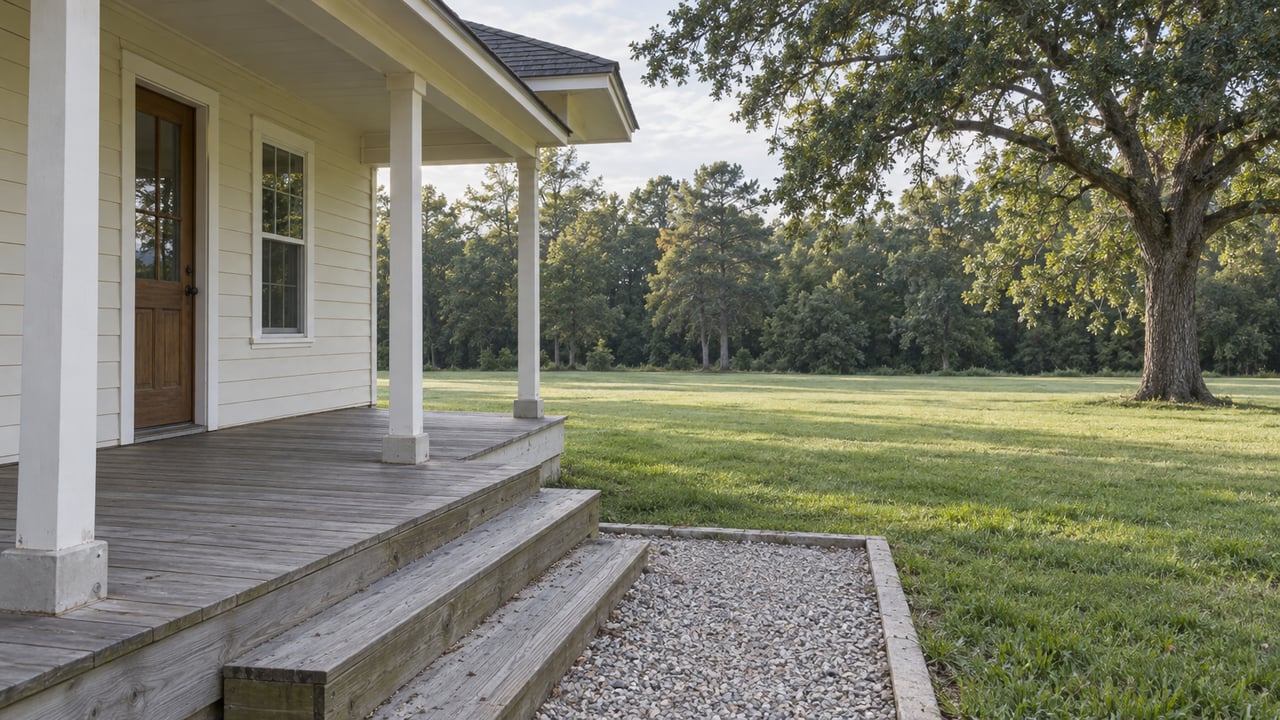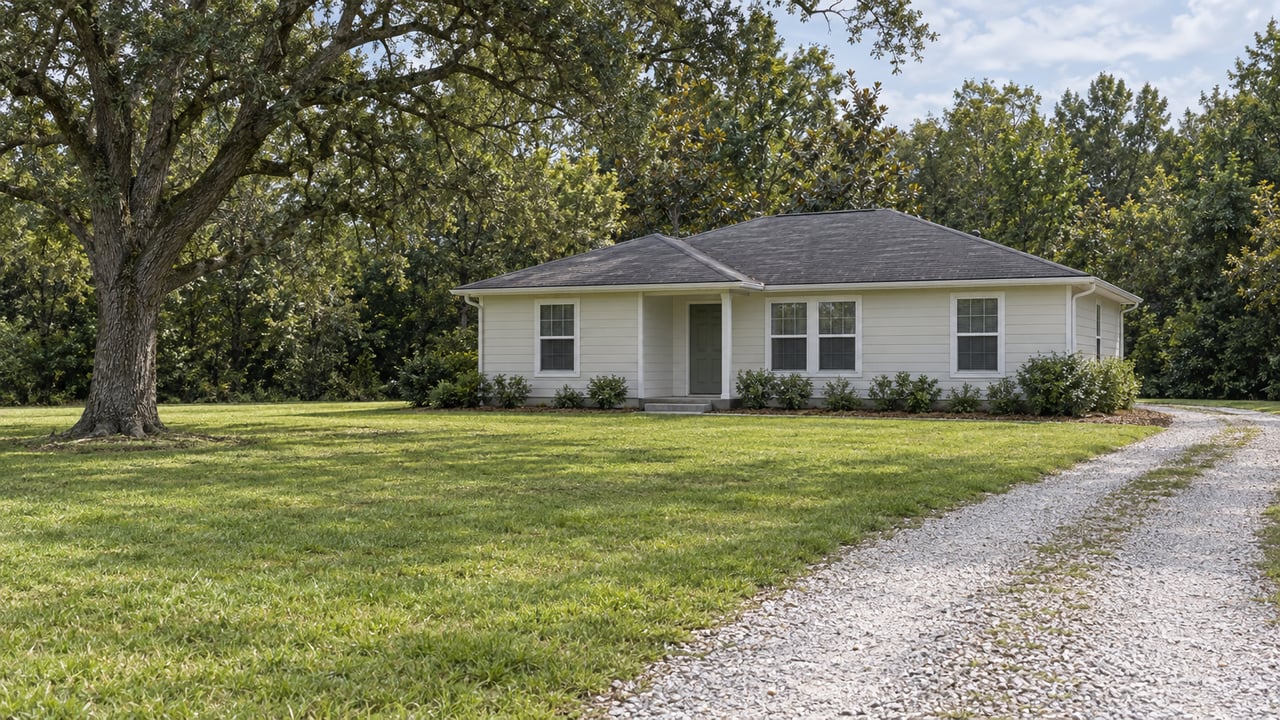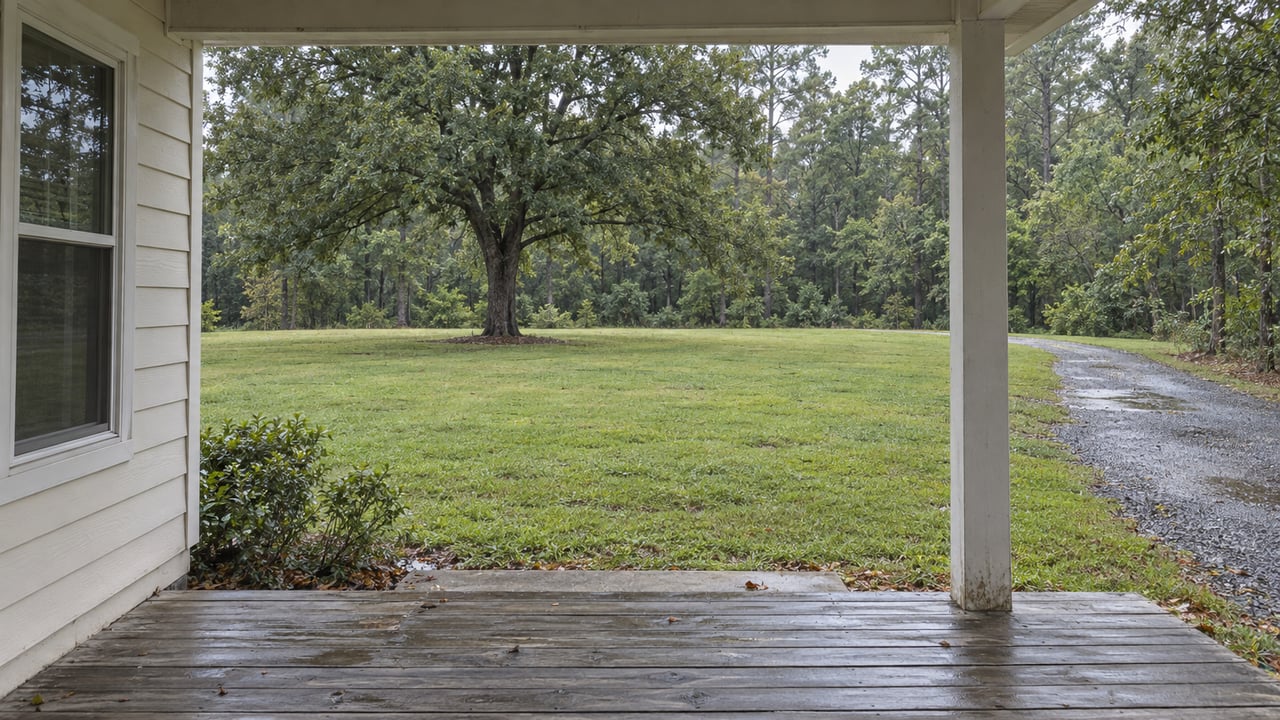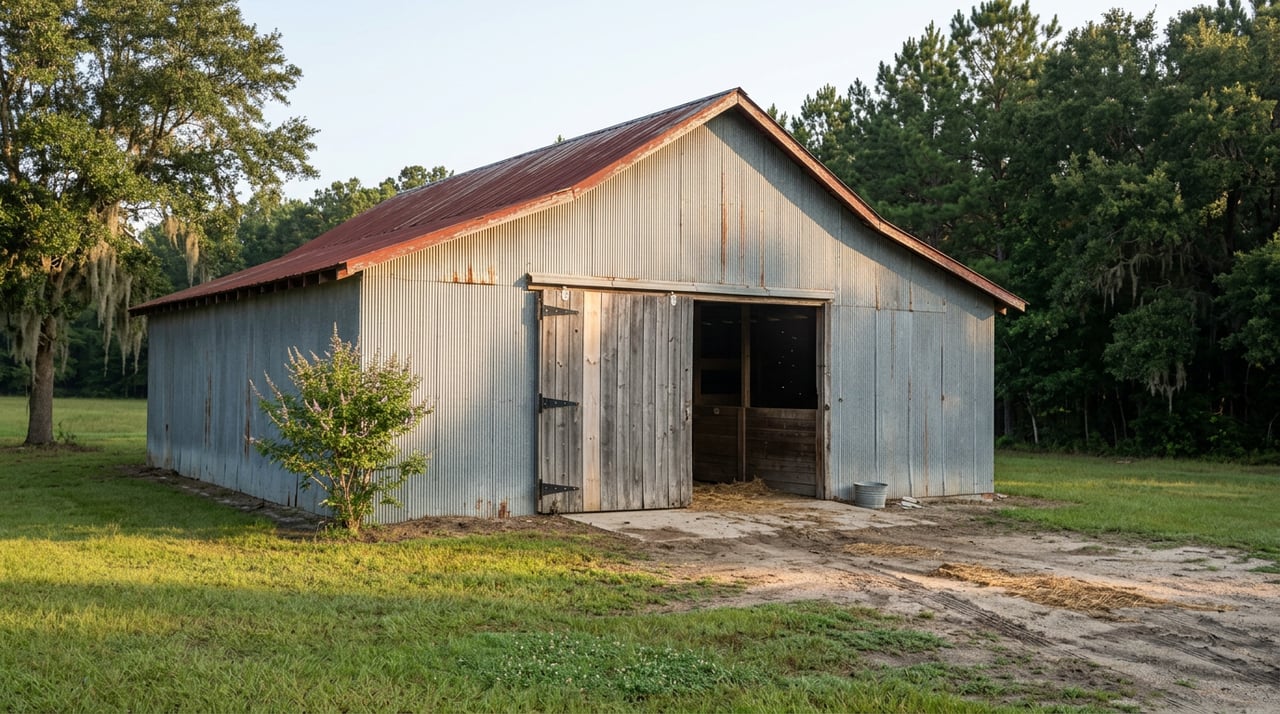
Drive past SummerGrove Farm on a Wednesday evening in August and you won't hear mallets on a ball or see a single chukker underway. The corner field sits empty. That's normal. New Orleans Polo Club's spring season wrapped at the end of June, and the fall season doesn't open until September, which means right now, in mid-August, the fields that usually structure half the town's weekend are simply resting.
Here's what that empty field doesn't tell you: Folsom's identity was never really about the matches. It's about everything that has to happen for those matches to exist at all, and that part hasn't paused for a single week.
The only club of its kind in the state
Most people who've lived in Folsom for a while know there's polo somewhere out past the tree line. Fewer know what that actually means statewide. New Orleans Polo Club is the only active club recognized by the United States Polo Association in Louisiana, a distinction it has held while playing on the north shore of Lake Pontchartrain since the mid-1970s. Fifty years, one club, through location changes and name changes, and it has always landed back in Folsom.
The club runs its games out of two main properties. It has used Innisfree Farm since 1992 and SummerGrove Farm since 1997, according to the club's own history. SummerGrove has a detail that says something about how deep the town's horse infrastructure runs: the property was originally the Folsom Thoroughbred Training Center, a race track operation. The rails and starting gate are gone now, but the track is still there, repurposed for ponying horses, sitting next to sixty stalls across two barns. A polo field grew directly out of a retired racetrack because the land, the barns, and the people who knew how to run them never left.
Two seasons, and the months sitting between them
The club plays on a fixed calendar, not a loose one. According to the U.S. Polo Association's own club profile, the format runs like this:
| Season | Typical window | Primary location |
|---|---|---|
| Spring | Mid-March through end of June | SummerGrove Farm |
| Fall | September through late November | SummerGrove Farm and Innisfree Farm |
That leaves July and August as dead air, and it's worth noticing what's not happening during that stretch as much as what is. Nobody's hosting a charity match. There's no tournament weekend drawing spectators in derby hats. The visible, photographable version of Folsom's horse culture is dark for roughly eight weeks a year.
What doesn't go dark is the training.
What keeps the barns running while the fields sit empty
The show pauses. The work underneath it doesn't. A handful of operating farms around Folsom keep lessons, boarding, and training moving through the summer regardless of whether anyone's watching a match:
- Zupay Polo Farm, on Old Farms Road, offers polo lessons and an introductory trial ride for riders with no prior experience, meaning it's building the next generation of players and casual riders alike, season or no season.
- J.C. North Farm on Highway 40 runs hunter/jumper lessons and training for riders at every level, a discipline that has nothing to do with polo's calendar and everything to do with year-round barn work.
- Sunflower Farms puts riders out across more than a hundred acres of rolling hills, per Louisiana's own tourism office, regardless of what month it is.
- Lagniappe Equestrian Center keeps its own competition and training schedule independent of the polo calendar entirely.
- Cockeyed Farms, on Louisiana Highway 25, isn't a horse operation at all. It's a working farm with its own beekeeper and arborist, a reminder that Folsom's rural economy was never just about one animal.
- Farmhouse Dairy Co., tucked back on Neal Cemetery Road, is the same story from a different angle: agriculture that doesn't check anyone's sport schedule.
None of these places need spectators. They need land, animals, and people who show up regardless of season, which is the actual mechanism behind everything Folsom is known for. The polo club is the most photogenic output of that mechanism. It is not the mechanism itself.
Saturday doesn't wait on horses
If you want proof that Folsom's rhythm isn't tied to the polo calendar, look at Saturday morning. Every week, rain or shine, the Paddock Farmers Market runs from 9 a.m. to 1 p.m. behind Giddy Up, the town's café and unofficial community hub, with live music starting at 10. It sits next to Far Horizons Art Gallery, and it doesn't care whether the polo season is open or closed. It has run every Saturday through the same August that leaves the polo fields empty.
That's the pattern worth noticing. Folsom has more than one calendar running at once, and most of them don't sync up. The market runs weekly, all year. The polo club runs two defined seasons with a gap in between. The training barns run continuously, no gaps at all. Anyone treating Folsom as a single, uniform "horse town" is missing the fact that the town's actual rhythm is layered, and layered rhythms are what make a place feel lived-in rather than staged for visitors.
The constant: 900 acres that don't take a summer off
If any single place in Folsom operates on its own clock, untouched by anyone else's calendar, it's the Global Wildlife Center. The 900-acre free-roaming preserve sits just outside town and stays open daily, closing only in January for annual maintenance. It has been under new ownership since 2021, when Maci Matherne took over. The center itself describes its approach as people-first and animals-first.
For a lot of Folsom families, the wildlife center is the default outing, the place you take out-of-town guests or spend a slow Saturday when the market's done and the fields are empty. It doesn't need polo season to draw people. It runs on its own logic entirely, which makes it a useful comparison point: some parts of Folsom's identity depend on a specific calendar, and some don't depend on anyone's calendar at all.
What actually changes in September
When the fall season opens, likely in the first weeks of September based on the club's typical pattern, the fields at SummerGrove and Innisfree will fill back in. Practices return on Wednesdays, matches on the weekends, and for a few months the most visible layer of Folsom's identity turns back on.
But calling that a return to normal misreads what's been happening the whole time. The barns didn't stop. The market didn't skip a Saturday. The wildlife preserve didn't close except for its one scheduled month. What changes in September isn't Folsom waking up. It's the spectator layer catching back up to everything that was already running underneath it.
That's a useful thing to know if you've lived here a while and just assumed the quiet fields meant a quiet town. They didn't. They meant the part of Folsom that puts on a show was resting. The part that actually built the show never has a reason to.
If you're weighing a move to a place with this kind of layered, working rhythm, or you already call Folsom home and want a read on what that rhythm means for property values and land use nearby, Amanda Stevens Property Group knows this stretch of the Northshore from the ground up. Request a Free Market Consultation and we'll walk you through it.