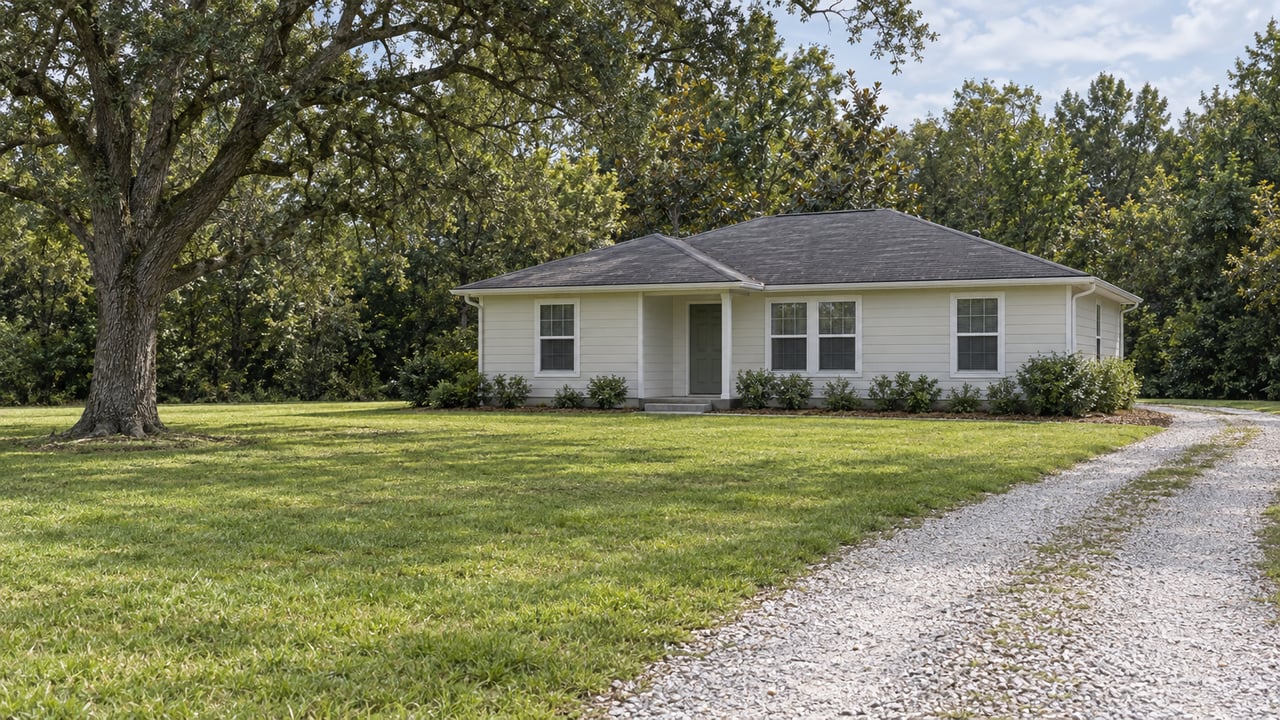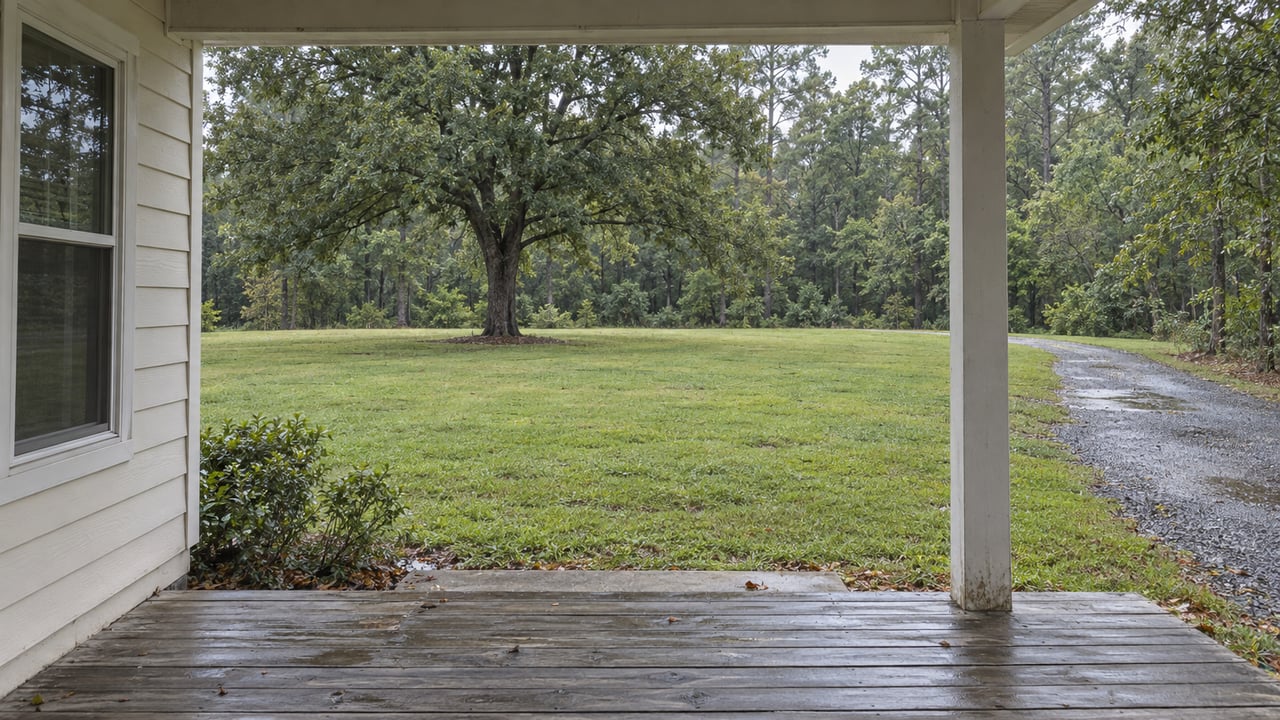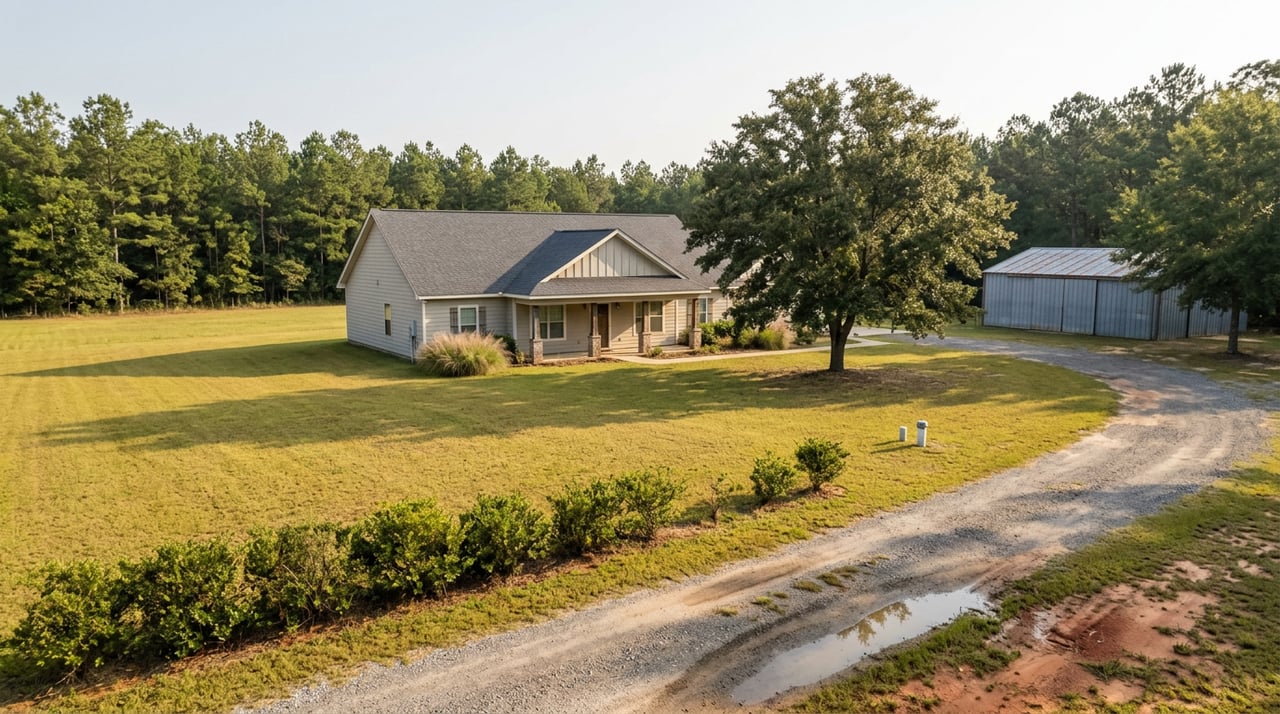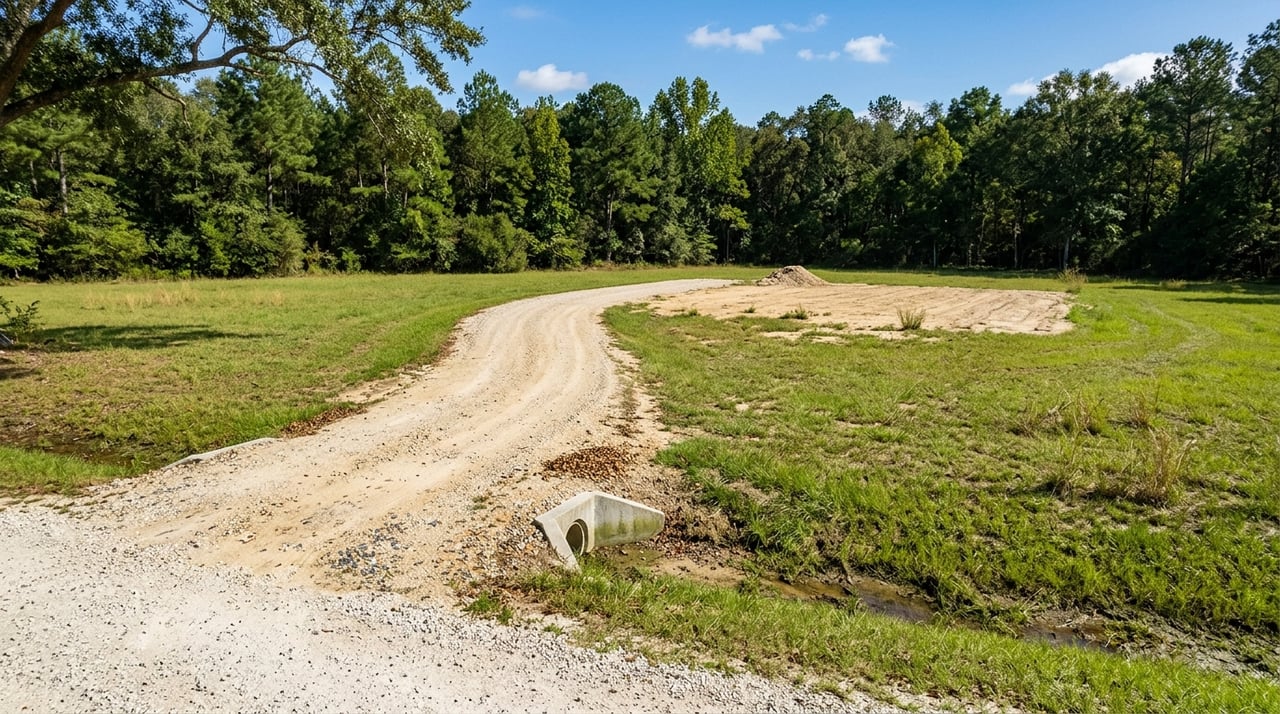
Thinking about buying acreage near Franklinton so you can build later? It can be a smart move, but rural land is not as simple as picking a pretty piece of property and making an offer. If you want a future homesite in Washington Parish, you need to look closely at lot size, access, utilities, flood risk, and local rules before you buy. Here’s how to evaluate acreage near Franklinton with more confidence and fewer surprises.
Why buyers look at acreage near Franklinton
If you have been browsing land listings near Franklinton, you have probably noticed a wide mix of parcel sizes. Current visible inventory includes many tracts in the 1- to 5-acre range, along with larger parcels such as 10 acres, 47.2 acres, 232 acres, and even 352 acres.
That mix matters because it gives you options. If your goal is a future homesite, many buyers start by comparing 1- to 3-acre properties, then look at larger tracts if privacy, room for outbuildings, or long-term flexibility matter more.
Common advertised land uses around Franklinton include undeveloped land, farms, ranches, hunting land, recreational land, timberland, horse property, and mixed pasture-and-timber tracts. For you as a homesite buyer, that means each property can come with very different conditions and expectations.
Start with the 1-acre baseline
In Washington Parish, lot size rules make 1 acre an important starting point for many future homesites. For single-family living units served by individual sewerage treatment, such as septic systems, the parish ordinance calls for a minimum of 1 acre and 140 feet of road frontage.
Where a parish- and state-approved community sewerage collection and treatment system is used, the minimum is still 1 acre, with 100 feet of frontage. On a cul-de-sac, frontage can be 75 feet.
This is why many buyers looking near Franklinton begin with the 1-acre-plus range. Even so, meeting the minimum does not automatically make a tract build-ready, because access, drainage, utility availability, and floodplain conditions still need to be confirmed.
Check whether the tract is in town or parish
One of the first questions to answer is whether the property sits inside Franklinton town limits or outside town in the parish. That detail affects which land-use rules may apply.
If the tract is inside town limits, Franklinton has its own zoning commission, zoning map, and application process. If the tract is outside town, Washington Parish rules are likely the main framework.
This can change what you need to verify before building. Before you assume a parcel can be used the way you want, confirm the property’s jurisdiction early.
Road frontage and legal access matter more than listings suggest
Acreage listings can make a property look straightforward, but access is often where deals get complicated. A parcel may have a nice map image and plenty of land, yet still present issues if legal access is unclear or if the road situation creates added cost.
A smart first step is to confirm road frontage or a recorded access servitude. You should also review the current survey and legal description so you know exactly how the tract is reached.
Washington Parish rules show why this matters. New subdivisions that use an unpaved public right-of-way may need that right-of-way improved to current standards before access is granted, and new roads for public use or general access must meet parish standards unless they remain truly private roads with written servitudes and private maintenance.
If the property fronts a state highway, do not assume that frontage automatically means you can place a driveway wherever you want. The Louisiana Department of Transportation and Development uses Access Connection Permits for residential and non-commercial agriculture driveways.
Utilities are about the tract, not just the area
It helps that local providers are in place, but the real question is whether your specific acreage can be served without major extension costs. Public water and electric service are not automatic on rural land.
Rural Franklinton Water Corporation maintains a local office in Franklinton, and the Louisiana Department of Health gave that system a 2024 water grade of 97 out of 100, an A rating. Washington-St. Tammany Electric Cooperative also has a Franklinton office and serves the Tri-Parish area.
That is encouraging, but it is still not enough to rely on a listing description alone. Before you buy, ask whether water and electric are available at the road, how far service may need to be extended, and what that could mean for your budget and timeline.
Septic and well planning should happen early
Many future homesites near Franklinton will depend on onsite sewer treatment. If a parcel will need a septic system, the Louisiana Department of Health’s onsite wastewater program is the relevant permitting authority at the parish level.
LDH states that parish sanitarians operate the permitting system for onsite sewage treatment, a basic license is required to install a septic-tank system, and homeowners are responsible for maintaining their systems. That makes septic feasibility one of the most important items on your due diligence list.
Private wells also come with responsibility. LDH states that well owners are responsible for sampling and maintaining their wells, and the department offers private-well testing and assessment resources.
In practical terms, this means you should not treat septic and well questions as afterthoughts. Soil conditions, drainage, and site layout can all affect what is realistic on a given tract.
Flood risk can change your building plans
Before you close on acreage, take flood risk seriously. A tract may look dry on the day you visit and still raise concerns on official maps or under parish rules.
Washington Parish states that no new construction, substantial improvements, or fill material are allowed in an AE Floodway. The parish may also require a FEMA Elevation Certificate for homes in Special Flood Hazard Areas or for properties that were previously flooded.
That is why flood-zone review belongs near the top of your checklist, not the bottom. If part of the property is affected, you will want to understand how that limits your build area, driveway planning, and overall site design.
Soil and drainage can make or break a homesite
Two parcels with the same acreage can perform very differently once you look at the ground itself. Soil and drainage affect septic design, driveway performance, runoff, and the amount of site work you may need before construction.
A standard public starting point for this review is the NRCS Web Soil Survey. While it does not replace professional site work, it can help you identify whether a tract deserves closer attention before you move forward.
For many buyers, this is where a more affordable-looking property can become more expensive in the long run. A tract that needs less site preparation may offer better value than one with lower list price but higher development costs.
If the parcel is part of a larger tract, ask more questions
Some acreage near Franklinton is sold as part of a larger parent tract. That can be perfectly workable, but it often means you need to ask more detailed questions about surveying, frontage, and subdivision review.
Washington Parish’s ordinance explains that a tract can qualify as a minor subdivision only if certain conditions are met. Those include lots over 1 acre, no public improvements to be dedicated, and any private road being privately maintained with maintenance responsibility shown in the deed or survey.
If the split does not fit those standards, a more formal subdivision process may apply. This is one reason a stamped professional survey is so important when you are buying acreage for a future homesite.
A practical acreage checklist for Franklinton buyers
When you are evaluating land in the 70438 area, it helps to work through a clear process. A practical checklist includes:
- A current survey and legal description
- Confirmed road frontage or recorded access servitude
- Verification of whether the tract is in Franklinton town limits or under parish jurisdiction
- Septic feasibility review
- Water and electric availability
- Flood-zone review
- Title review for restrictions that could affect future building
Washington Parish’s assessor site can also help with ownership data, assessed values, legal descriptions, and GIS maps. Used together, these steps can help you spot issues early and compare properties more accurately.
How much acreage should you buy?
The right answer depends on how you want to use the property. For many future homesites, 1 acre is the practical baseline because of parish rules.
If you want a manageable homesite with some breathing room, 1 to 3 acres may be enough. If you want more privacy, space for a shop or barn, or flexibility for future use, a larger tract may be worth the extra cost and due diligence.
The key is to buy based on usable acreage, not just total acreage. A parcel’s frontage, flood exposure, access, and utility setup can matter just as much as the acre count.
Why local guidance helps with rural land
Buying acreage is different from buying an existing house. With land, you are not just evaluating what is there today. You are also evaluating what will be possible later.
That is why it helps to involve the right people early, including a local agent, surveyor, title team, septic or well professional, and utility offices. A step-by-step approach can save you time, money, and stress before you commit to a parcel.
If you are looking for acreage near Franklinton for a future homesite, working with a local team that understands vacant land and Northshore market conditions can make the process much smoother. When you are ready to talk through options in Washington Parish, connect with Amanda Stevens for practical, local guidance.
FAQs
What is the minimum lot size for a future homesite near Franklinton?
- In Washington Parish, many single-family homesites start at a minimum of 1 acre, with frontage requirements tied to the sewer setup.
What should you verify before buying acreage in Washington Parish?
- You should confirm survey details, legal access, jurisdiction, septic feasibility, water and electric availability, flood risk, and title restrictions.
Does highway frontage near Franklinton guarantee driveway access?
- No. If a tract fronts a state highway, driveway access may require an Access Connection Permit through the Louisiana Department of Transportation and Development.
Why do soil conditions matter for a future homesite in 70438?
- Soil and drainage can affect septic design, driveway stability, runoff, and the amount of site work needed before you can build.
Can utilities be assumed on rural acreage near Franklinton?
- No. Even where local water and electric providers serve the area, you still need to confirm whether your specific tract can be connected without costly extensions.