Thinking about trading your Covington starter for more space, a newer floor plan, or even water access? You’re not alone. Many Northshore owners reach a point where the yard, layout, or location no longer fits life today. In this guide, you’ll see what “moving up” looks like in Covington and nearby St. Tammany communities, how local prices stack up, and a simple plan to make your next move smooth and affordable. Let’s dive in.
What moving up means here
On the Northshore, moving up often means a little of everything: more square footage, a larger lot, a newer build, or a lifestyle shift like river or lake access. Your tradeoffs are real, but you have options in and around Covington at different price points. Think in terms of lot size, layout, and neighborhood character.
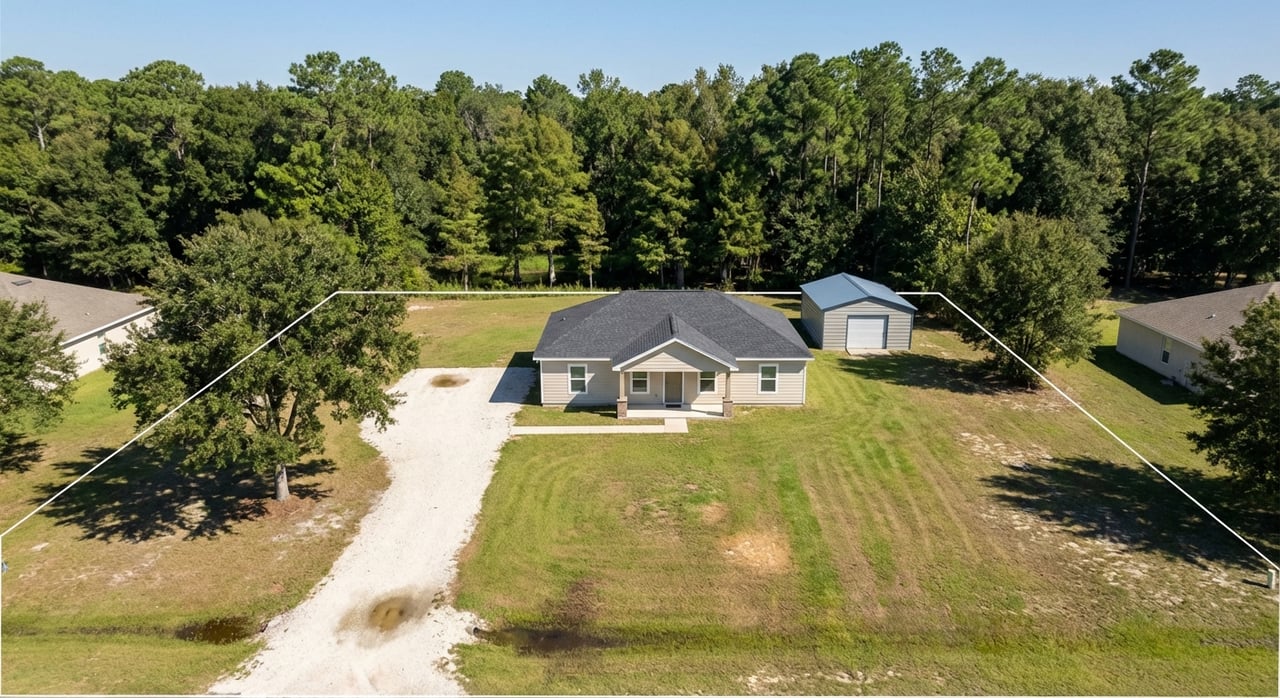
- Lot size: Many buyers go from town lots of about 0.1–0.25 acre to 0.5–2+ acres in areas like Folsom or the rural edges around Abita Springs and Lacombe. That extra space can mean room for a workshop, pool, or privacy.
- Square footage: It’s common to move from a 1,400–1,800 square foot starter to a 2,200–3,500+ square foot plan with four bedrooms and three or more baths.
- New build vs. charm: If you want walkability and character, Old Covington’s historic core delivers unique homes and a lively square. If you want a newer layout and bigger yard, look to newer subdivisions or rural parcels nearby.
- Water and lifestyle: Tchefuncte River or Lake Pontchartrain access is a draw in Madisonville and Mandeville. These homes carry premiums and add due diligence on docks, shoreline, and flood exposure.
Quick compare: three paths
- In-town Covington: Smaller lot, historic character, easy access to restaurants and shops. Explore the area’s history and walkable core on the city’s historic walking tour.
- Rural edge near Folsom or Abita: Larger lots or multi-acre parcels, room to spread out, and more privacy.
- Mandeville or Madisonville: Suburban neighborhoods with larger homes, golf or gated communities, and select waterfront options.
Current prices and where to look
Local price snapshots from late 2025 to early 2026 show a clear hierarchy. Exact numbers vary by method and micro-location, but the ranges below capture what many Northshore move-up buyers target.
- Entry move-up, about $250,000–$400,000: Parts of Covington, Abita Springs, Lacombe, and Slidell. You’ll see newer systems or more space, with smaller lots or homes that may need light updates.
- Mid-tier move-up, about $400,000–$700,000: Larger lots and newer builds in Mandeville, higher-end Covington pockets, and some Madisonville properties near water. Many buyers also focus on specific school attendance zones in this band.
- Premium, $700,000 and up: Lakefront Mandeville, select Madisonville waterfronts, and historic Old Covington streets. These homes trade on location, lot, and unique character.
Market timing and leverage
Late 2025 numbers for Covington showed more homes for sale, longer days on market around the mid-80s, and a sale-to-list ratio near 97 percent. That points to slightly more leverage for buyers than in earlier, hotter periods. If you’re selling to buy, this context matters for pricing, staging, and the time you’ll need to coordinate both sides of the move.
Key tradeoffs to weigh
Affordability after selling
Start with a realistic estimate of your net proceeds from the current home. In a market where days on market have stretched and sale-to-list ratios are tighter, price strategy matters. Your agent should pull local comps in your specific Covington ZIP and neighborhood to show likely outcomes. With a solid proceeds estimate, you can define your next-home budget and choose the right financing path.
Commute and location
If you’re weighing bigger lots farther out, map the time tradeoff. Covington sits roughly 40–45 miles from downtown New Orleans, or about 45–50 minutes by typical routes and traffic patterns. You can review estimated distance and drive time using tools like Travelmath’s Covington to New Orleans drive guide. If you want to stay closer to the Causeway or key corridors, focus on Mandeville and Madisonville.
Schools and attendance zones
Families often rank school zoning high on the decision list. St. Tammany Parish Public Schools reported strong state accountability results in recent releases, with a district performance score in the high 80s and a letter grade of B. Review the district’s updates on the STPPS news page and confirm specific attendance zones for each target address before you offer.
Taxes, fees, and monthly costs
Property tax bills vary by parcel and tax district across St. Tammany. The parish assessor’s quadrennial report shows how millages and parcel fees are structured and notes that many taxing bodies rolled back rates in 2024. Review the St. Tammany Assessor’s 2024 Quadrennial Report and ask your agent to help you estimate the full monthly cost, including fire, drainage, or other parcel fees that can be material.
Flood, wind, and insurance
If you are considering waterfront or low-lying areas, plan for extra due diligence. Pull the property’s FEMA flood map panel and Base Flood Elevation early in your search. The FEMA Map Service Center is the best place to verify flood information. Request insurance quotes while you shop so you can compare NFIP or private flood premiums and wind coverage before you write an offer.
Maintenance on bigger lots
Larger parcels bring different upkeep needs than in-town properties. You may encounter wells, septic systems, private roads, tree management, and drainage planning. A pre-offer walkthrough with your agent and, if needed, a contractor can help you budget for land care and system updates.
Neighborhood snapshots
Old Covington walkability
If you want walkable restaurants, galleries, and a small-town square, focus on the historic core around Columbia Street and Lee Lane. Expect smaller lots, unique architecture, and a sense of place you can preview through the city’s historic walking tour. Many buyers accept older systems in exchange for character and convenience.
Mandeville and Madisonville lifestyle
Looking for lake influence, golf, or select gated neighborhoods? Mandeville offers larger suburban communities, while Madisonville adds Tchefuncte River access in certain pockets. These areas often come at a premium for location, amenities, or proximity to the Causeway.
Folsom, Abita Springs, and Lacombe space
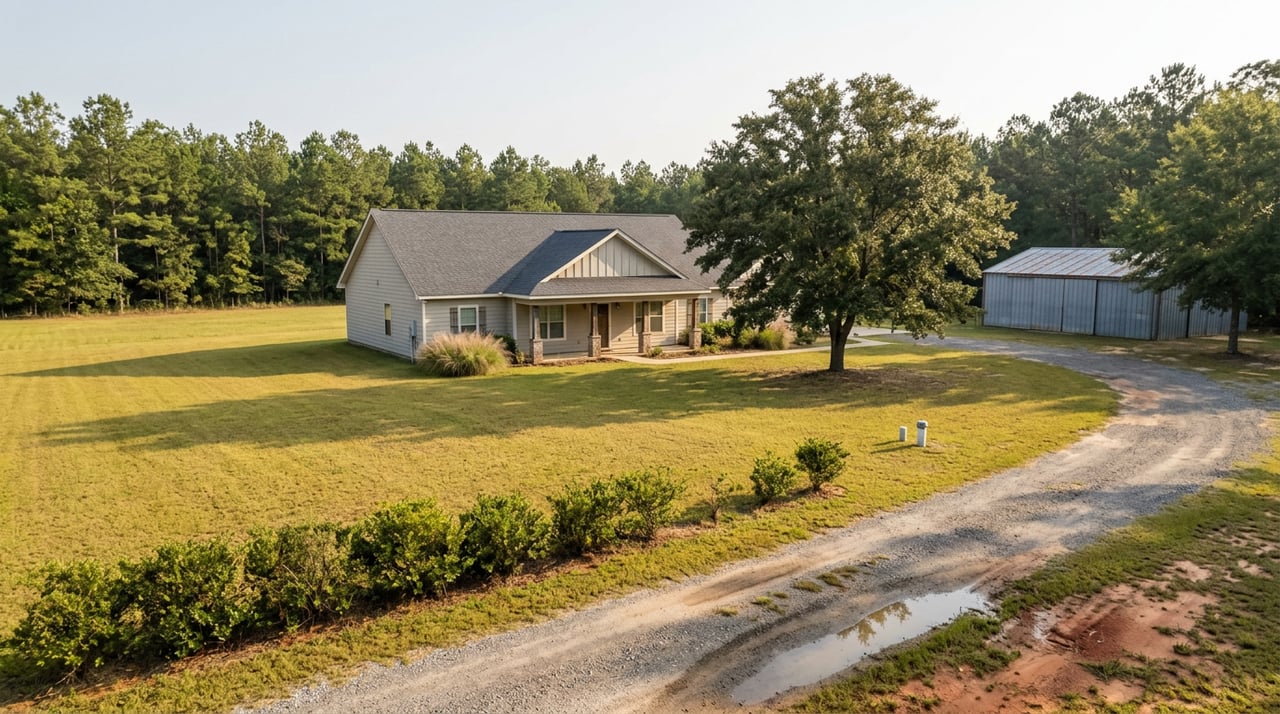
If privacy, acreage, or hobby-farm potential are on your list, these towns are reliable hunting grounds. You’ll find 1–2+ acre options with a more rural feel while staying within 20–40 minutes of Covington’s services. Just be sure to plan for septic, well, and driveway maintenance as part of your ownership costs.
Your 8-step move-up plan
Price your current home and estimate proceeds. Ask for a local CMA that focuses on your exact Covington ZIP and neighborhood. Your agent should factor probable sale-to-list ratios and recent days on market to set expectations and timing.
Get financing options early. Secure a preapproval and review bridge strategies like a HELOC or cash-out refinance if you need to buy before selling. For a plain-English explainer of tapping equity, see this overview of how to get equity out of your home.
Decide buy-first or sell-first. Selling first reduces risk and may improve your negotiating power on the purchase side if the market is slower. Buying first gives you more time to shop, but it often requires bridge financing or a HELOC.
Check flood maps and insurance. For any river, lake, or low-lying area, pull the FIRM panel and Base Flood Elevation from the FEMA Map Service Center. Request flood and wind quotes before you offer.
Confirm school zones. If schools matter in your decision, verify each property’s attendance zone and review district updates through the STPPS news page. Policies and boundaries can change, so check each address.
Plan inspections for land and systems. Larger lots can include wells, septic, outbuildings, and drainage issues. Line up inspectors and, if needed, a contractor to estimate any land work or system updates.
Prepare your home for market. Light staging, fresh paint, and pro photography help your listing stand out, especially with more inventory and longer days on market. Time your launch to local seasonality and your purchase plan.
Build a 60–120 day timeline. Coordinate sale and purchase dates, add contingencies, and consider options like temporary rent-back or flexible closings. A written plan lowers stress and helps you pivot if the market shifts.
Next steps with a local guide
Moving up on the Northshore is a puzzle of budget, timing, location, and lifestyle. With current price bands, known commute tradeoffs, school and tax considerations, and a clear 8-step plan, you can navigate that puzzle with confidence. If you want help mapping target neighborhoods, running your Covington comps, and setting a realistic timeline, reach out to Amanda Stevens for a free, local consult and a step-by-step plan tailored to your goals.
FAQs
What counts as a move-up price range in Covington?
- Many buyers see entry move-up options around $250,000–$400,000, mid-tier around $400,000–$700,000, and premium above $700,000 based on late 2025 to early 2026 snapshots.
How long does a sell-and-buy move take on the Northshore?
- With today’s timelines, plan on 60–120 days to price, list, secure a buyer, shop for your next home, and coordinate closings with contingencies or temporary housing if needed.
Should I sell my current home before I buy the next one?
- Selling first lowers financial risk and can improve your negotiating position, while buying first offers more flexibility but may require a bridge loan, HELOC, or cash-out strategy.
How do I check commute time changes if I move farther out?
- Estimate drive times from each target neighborhood, and use tools like Travelmath’s Covington to New Orleans guide to sanity-check miles and minutes during peak hours.
What should I know about schools before I offer?
- Review district updates and confirm the exact attendance zone for each property through the STPPS news page, since performance and boundaries can vary by school.
How do property taxes and fees vary in St. Tammany?
- Taxes depend on the parcel’s district and millage, plus fees like fire or drainage. The St. Tammany Assessor’s 2024 report explains rates, recent rollbacks, and how bill components work.
What flood due diligence should I do for river or lake areas?
- Pull the FEMA map panel and Base Flood Elevation early, and request flood and wind quotes while you shop. Start with the FEMA Map Service Center to verify official data.