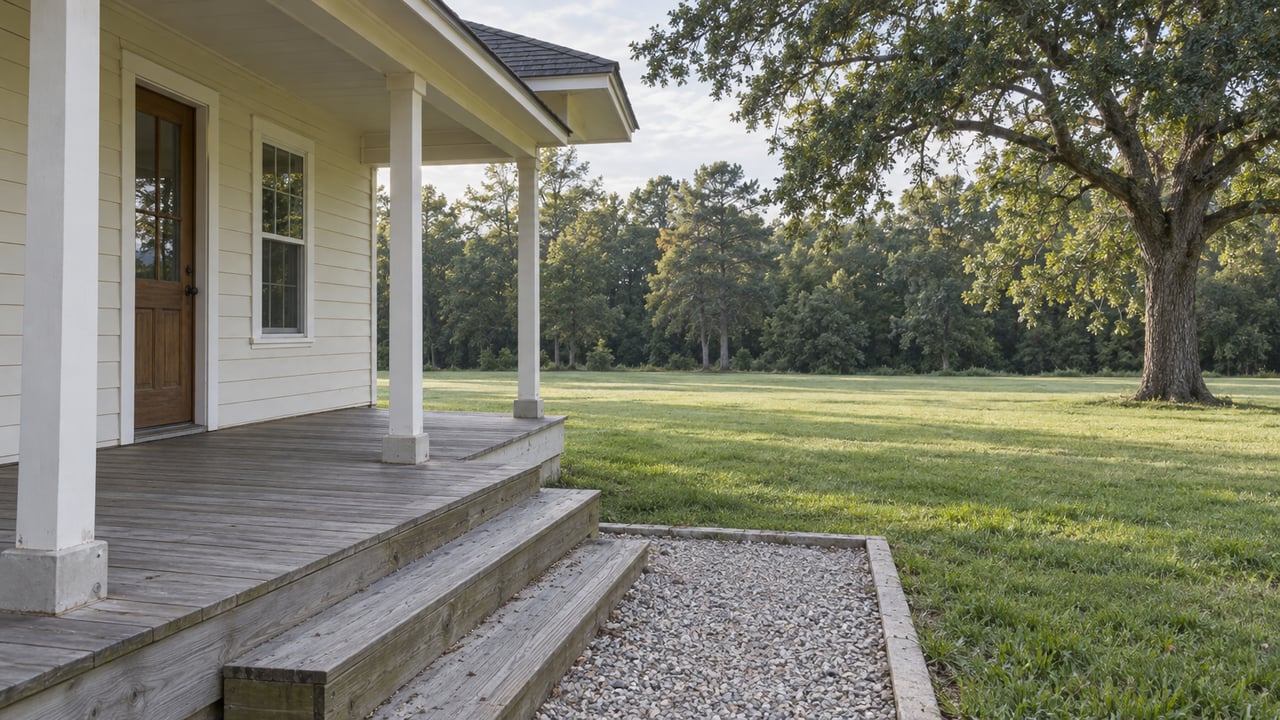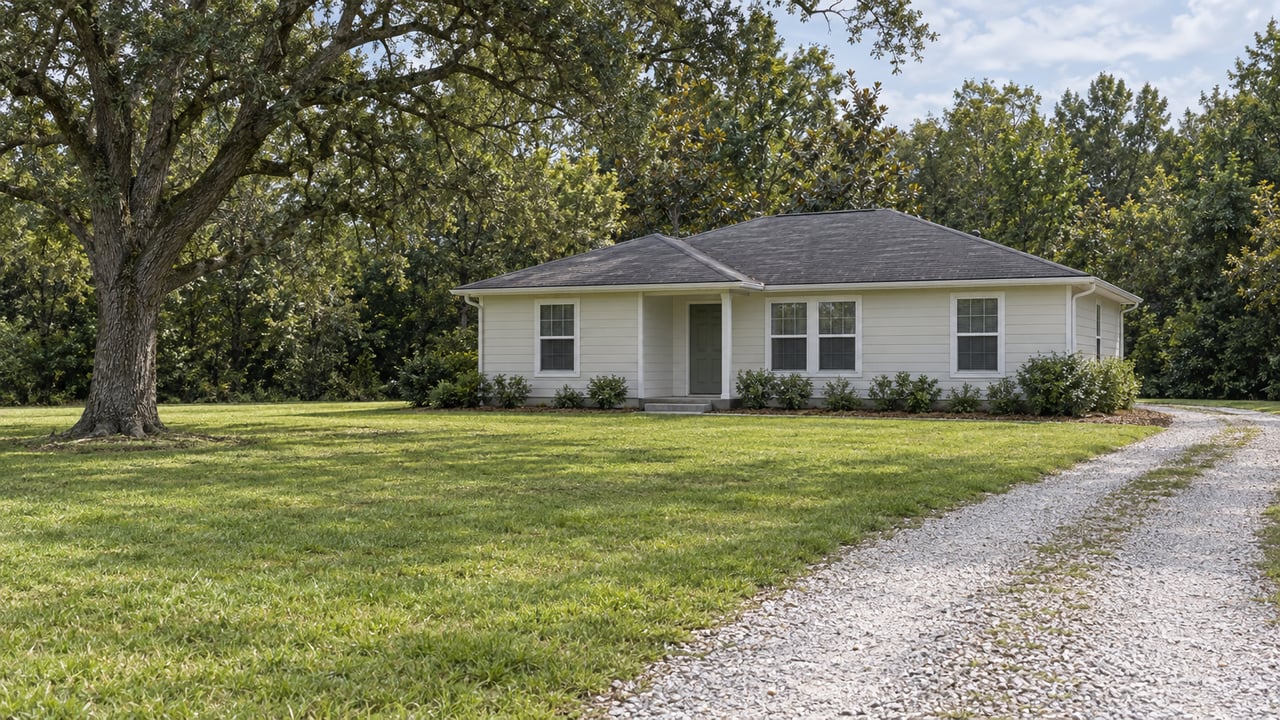
Thinking about selling your Folsom home and wondering when you will get the most attention and strongest offers? Timing plays a big role here on the Northshore, where school schedules, heat and humidity, and hurricane season all shape buyer behavior. If you plan ahead and list during the right window, you can boost exposure, shorten days on market, and protect your closing timeline.
This guide breaks down Folsom’s seasonal patterns, the data to watch, and practical timelines so you can choose the best month for your goals. You will also get checklists and strategies tailored to St. Tammany Parish. Let’s dive in.
Why timing matters in Folsom
Folsom is a small-town, single-family market within St. Tammany Parish. Many buyers work in nearby centers like Covington and Mandeville, and they time moves around school calendars and commute needs. That means spring and early summer usually bring more active buyers.
Weather also matters. The Atlantic hurricane season runs June 1 through November 30. Late summer and early fall storms can delay inspections, appraisals, and closings. High heat and humidity can also reduce daytime showings. Insurance and flood documentation are common questions for buyers, so having those ready helps your sale go smoothly.
Macro trends like mortgage rates and national inventory affect demand too. Even in a strong seasonal window, higher rates can reduce the buyer pool, so you want to watch local data before you pick your listing date.
Best seasons at a glance
Spring: March to May
- Typically the best window for price and exposure.
- Buyer activity peaks as families plan summer moves, and curb appeal shines with longer daylight and fresh landscaping.
- Competition rises, yet demand often grows faster than supply in balanced or tight markets.
- Action step: prepare early so you can hit a March or April launch with great photos and pricing.
Early to mid summer: June to July
- Still strong, especially for buyers and sellers aiming to close before school starts.
- Showings can slow during vacation weeks and midday heat.
- Listing quality and pricing discipline help you stay competitive as spring momentum tapers.
Late summer to early fall: August to October
- Mixed results. Inventory often declines, and remaining buyers may be more motivated.
- Peak hurricane months increase scheduling risks and can affect sentiment.
- Realistic pricing and flexibility with timelines are key.
Late fall to winter: November to February
- Lowest overall traffic, though buyers who are active now are often serious and time-sensitive.
- Expect fewer showings. Competitive pricing and strong marketing can still deliver a solid outcome.
- Useful if you prefer less competition or need a quicker, quieter process.
Set your goal, then pick your window
Choosing a date starts with your objective. Use these frameworks to match your goals to the right season.
Goal: Maximize sale price
- Optimal window: early spring, March through mid May.
- Why it works: high buyer traffic, strong curb appeal, and family-driven timing support better price performance.
- Prep timeline: start 8 to 12 weeks ahead. Complete repairs, consider a pre-list inspection, stage, and schedule professional photos.
- Pricing tip: position competitively to draw showings in the first two weeks and encourage multiple offers.
Goal: Fast sale
- Optimal window: late spring through early summer, April through June. Winter can also work with aggressive pricing.
- Why it works: spring has many active buyers. Winter brings fewer shoppers, yet the ones who look are often motivated.
- Prep timeline: 4 to 8 weeks to get show-ready.
- Pricing tip: price slightly under comparable competition and be flexible on closing dates.
Goal: Least competition or schedule priority
- Optimal window: October through November or January through February.
- Why it works: fewer listings help your home stand out. Buyer pool is smaller but serious.
- Risk and fix: price realistically and lean on strong marketing. Use professional photos and virtual options.
Goal: Avoid weather or insurance complications
- Optimal window: try to avoid peak hurricane months of August and September when possible.
- Why it works: fewer storm-related delays and smoother underwriting timelines.
- Prep timeline: if you must list in late summer, confirm flood insurance status and elevation documents early. Proactive disclosure builds confidence.
Prep backward from your target date
Working backward reduces stress and prevents last-minute surprises.
8 to 12 weeks out
- Walk-through with your agent to set priorities.
- Line up vendor estimates for roof, HVAC, plumbing, and termite treatment if needed.
- Order key documents: title prep, HOA info if applicable, flood insurance declarations, elevation certificate, and recent utility summaries.
- Plan landscaping updates, exterior touch-ups, and any light renovations.
4 to 6 weeks out
- Complete repairs that could derail inspection negotiations.
- Stage key spaces and declutter storage areas.
- Schedule professional photography and, if appropriate, a virtual tour.
- Draft your pricing strategy using current local comparables.
2 to 3 weeks out
- Finish paint, deep clean, and curb appeal details.
- Confirm insurance and flood documentation are organized for buyers.
- Set your launch date to align with peak weekly search times in your area.
1 week out
- Final clean, fresh mulch, and small staging touches.
- Confirm showing instructions and open house plans.
- Review pending-to-active ratios, days on market, and recent list-to-sale performance to validate price.
Watch the numbers that signal the right week
Local data helps you refine the exact week to list. Track these metrics and compare month to month and year over year.
- Active inventory and new listings per week or month.
- Pending to active ratio or absorption rate. This shows demand relative to supply.
- Months of supply to identify seller, balanced, or buyer conditions.
- Median days on market to see how quickly homes are moving.
- Sale to list price ratio to gauge pricing pressure.
- New pending contracts versus closed sales for momentum.
- Mortgage rates and local affordability indicators.
Look for the moment when pendings rise faster than actives. Falling days on market and a rising sale to list price ratio also point to a warmer window.
Special considerations for hurricane season
Selling from June through November requires a little extra planning.
- Build flexibility into your inspection and appraisal timelines in case of weather delays.
- Confirm flood insurance and elevation documentation early to reduce underwriting questions.
- Consider a pre-list roof and drainage check, especially after heavy rain.
- Keep yard maintenance current. Trim trees and clear gutters to show good stewardship.
- Add buffer days to closing timelines during August and September.
Pricing and marketing tips by season
Spring and early summer
- Price at or just below the most relevant comparable sale to spur strong first-week activity.
- Use professional photos that highlight natural light and green landscaping.
- Prepare for more showings and keep the home ready daily.
Late summer and fall
- Expect some scheduling uncertainty. Price with a realistic eye on recent pendings, not just closed comps.
- Emphasize features that matter in storm season, like recent roof work or drainage improvements.
Winter
- Price competitively and consider incentives that buyers value, such as flexible closing dates.
- Lean into high-quality visuals and virtual access for out-of-area or time-sensitive buyers.
Common scenarios and sample timelines
You want top dollar and a summer move
- Target listing in late March or April.
- Begin repairs and staging by early February.
- Aim to go under contract within the first two weeks, then close in late May or June.
You need a quick sale
- If it is spring, list in April through June with a slightly under-market price.
- If it is winter, list with strong visuals and aggressive pricing, and prepare for fewer but more serious showings.
You prefer less competition
- List in October through November or January through February.
- Use standout photography and accurate pricing so your home stays top of mind for motivated buyers.
Next steps for Folsom sellers
The best time to sell depends on your goals, your home’s condition, and this year’s local numbers. Spring and early summer often deliver the most traffic, yet a well-prepared winter listing can move quickly when inventory is tight. Whichever window you choose, plan ahead, price with the data, and market with professional polish.
If you want hyper-local guidance, a step-by-step prep plan, and professional presentation backed by Berkshire Hathaway resources, reach out to Amanda Stevens Property Group. Request your free market consultation with Amanda Stevens.
FAQs
Is March or April always the best time to sell in Folsom?
- Spring often brings the most buyer activity, but conditions shift year to year. Check current inventory, pending ratios, and days on market before you decide.
How does hurricane season affect a Folsom home sale?
- Storm season can create delays for inspections and closings, and buyers may scrutinize insurance and flood details. Build flexibility into dates and prepare documentation early.
Should I wait until after school ends to list my Folsom home?
- Listing before school breaks often captures families planning summer moves. If you wait until after school starts, the buyer pool can be smaller.
What changes if I list in winter in St. Tammany?
- Expect fewer showings but highly motivated buyers. Price competitively, use strong visuals, and consider incentives such as flexible closing dates.
What local data should I review before picking a listing date?
- Track active listings, new pendings, months of supply, days on market, sale to list price ratio, and mortgage rates. Rising pendings and falling days on market signal a warmer window.
Where can I get current numbers for Folsom and nearby areas?
- Ask a local Realtor for monthly MLS reports. Supplement with parish records and statewide reports to round out the picture before you set your date.